

Additive

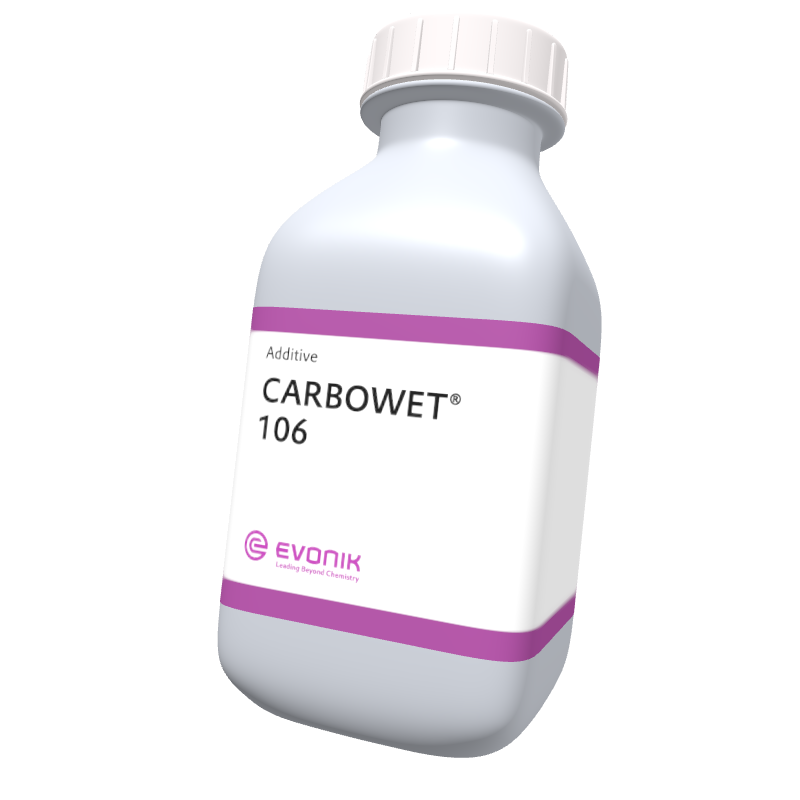
CARBOWET® 106

CARBOWET® 106 is a non-ionic wetting additive that provides additional dispersing properties. Wets all kinds of pigments. Was designed as alternative to APEs with a HLB-value around 11.

This product is currently not actively marketed on COATINO®. The product's data, including data sheets, may be out-of-date.

Product information

Type

Additive

Sub type

Pigment wetting & dispersing

Sustainability

VOC reduction

Next generation solution

Contains no biocide

Markets

Technologies

Waterborne

Manufacturer

CARBOWET Logo

Availability

Coatino Campus

Sustainable Week 4: Our Endeavor to a More Sustainable Future

Sustainability is now a pivotal factor in driving business success. By embedding sustainable practices into their processes, formulators of coatings and inks not only promote innovation but also achieve enhanced performance and sustainable long-term growth.

This webinar is part of our weekly webinar series in May: Sustainability as a Business Driver - A Path to Better Performance.

Coatino Campus

Sustainability Weeks at a glance

Sustainability as a Business Driver - A Path to Better Performance

For our Special Sustainability Weeks, we have lined up 4 one-hour engaging webinar sessions that are offered as part of a series we are running weekly in May. We have packed in interesting topics from different perspectives, all featuring sustainability as a key driver of business success.

As part of the series of events, we are delighted to offer a joint webinar with Synthomer, one of the world’s leading suppliers of sustainable water-based and differentiated polymer solutions.

Ready to join us? Don’t hesitate to register for the sessions of your choice!

Eager to learn more?
Check out the interactive course “Sustainability for Coatings and Inks” or get a comprehensive overview of the regulatory framework in the coatings and inks industry in our eLearning “Regulatory Universe”.

Coatino Campus

Dispersion of Pigments, Part 1 - Theory

In this comprehensive, interactive eLearning you will learn the basics of pigments, color and hiding power in coatings and inks, as well as the basics of dispersing additives and their working mechanism. After successfully completing the course, you will receive a personalized certificate. During the course, you can pause and resume at any time.

The entire eLearning consists of two modules. Part 1 - Theory and Part 2 - Practice.

Coatino Campus

Dispersion of Pigments, Part 2 - Practice

In this comprehensive, interactive eLearning you will learn the basics of pigment grinding, the formulation of the mill-base and the most important test methods for assessing the dispersing quality. After successfully completing the course, you will receive a personalized certificate. During the course, you can pause and resume at any time.

The entire eLearning consists of two modules. Part 1 - Theory and Part 2 - Practice.

Coatino Campus

Boost your waterborne coatings with Evonik’s CARBOWET® grind aids

This webinar presents Evonik's grind aid portfolio. Discover how these unique additives can improve milling efficiency and enhance the final coating properties.

Coatino Campus

Wetting agents, grind aids and co-dispersants for architectural coatings

This learning journey explains the benefits of using wetting agents, grind aids and co-dispersants to boost the performance of architectural coatings.

Coatino Campus

Automotive Filler & Putties

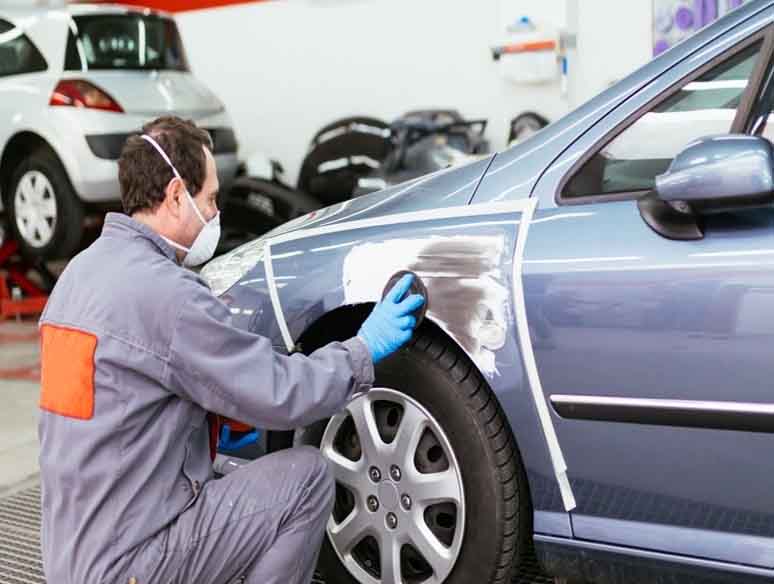
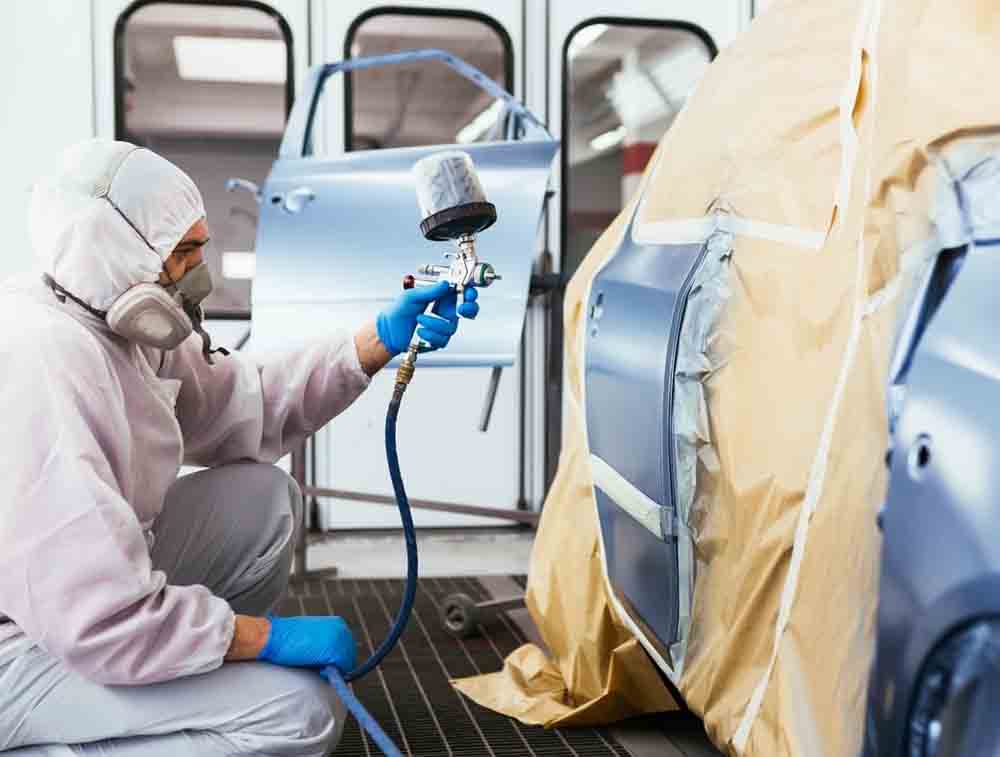
Automotive Refinish Coatings – Part II: Background, chemistry, and product recommendations for automotive refinish coatings in regarding to Filler&Putties.

Coatino Campus

Automotive Refinish Coatings

Automotive Refinish Coatings – Part I: A General Overview Background, chemistry, market requirements, and future of automotive refinish coatings are discussed.

Coatino Campus

Dispersion Week 2: Optimization of wet dispersing and comminution processes for pigmented systems

Recording from May 10, 2023

We were delighted to offer a joint webinar with NETZSCH-Feinmahltechnik GmbH, the world's leading company in the field of wet grinding, dispersion and homogenization as well as mixing and kneading.

For the production of paints, coatings and inks, a wide variety of raw materials must be processed into complex formulations. This requires various process steps in which the different components must be mixed, homogenized and ground to a defined particle size distribution. In the lecture, various processing options, advantages and disadvantages as well as optimization potentialshad been discussed and complete solutions had been presented.

This webinar was part of the Dispersion Weeks.